KARAGÖZ CANCEROME
RESEARCH LABORATORY
Gaziantep University
Department of Biology
Cancer Research • Molecular Biology • Canceromics • Bioinformatics
Advancing cancer research through molecular and computational approaches.
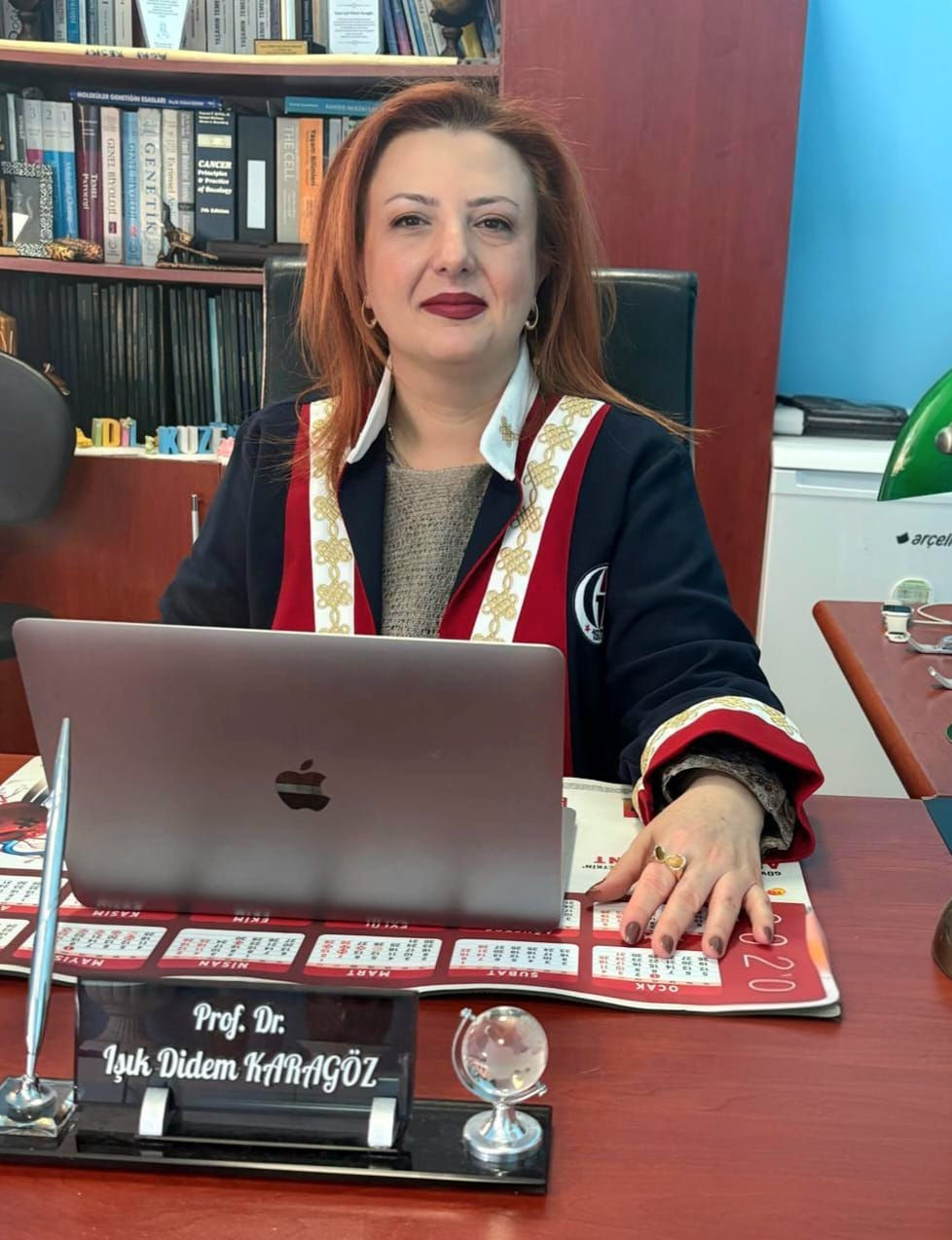
Prof. Dr. Işık Didem KARAGÖZ
Prof. Dr. Işık Didem Karagöz is a faculty member in the Department of Biology at Gaziantep University, where she continues her academic and scientific activities. She began her academic career at Gaziantep University in 2009, was appointed Assistant Professor in 2011, Associate Professor in 2017, and Professor in 2022.
Throughout her academic career, she has been actively involved in scientific research, undergraduate and graduate education, research projects, and graduate thesis supervision. Through her scientific publications in national and international peer-reviewed journals, as well as her involvement in research projects, she contributes to academic research and scientific development.
For more information about her academic background and research activities:
RESEARCH AREAS
CANCER BIOLOGY
Cancer biology serves as a primary pillar of our laboratory's research. Our studies investigate the biological characteristics of cancer cells across various models, focusing on molecular processes associated with proliferation, cytotoxicity, apoptosis, and tumor development to advance therapeutic understanding.
Molecular Mechanisms of Cancer
Deciphering the molecular mechanisms underlying cancer development and progression is a core component of our research. Our topics of inquiry include epithelial-mesenchymal transition (EMT), cancer stem cell properties, molecular signaling pathways, and tumor-related genetic alterations.
MOLECULAR BIOLOGY
Biotechnology
In the field of molecular biology, we examine the fundamental interactions between DNA, RNA, and proteins, alongside the molecular regulatory mechanisms that drive essential cellular functions.
In the arena of biotechnology, we conduct research on the utilization of biological systems, cellular models, and biomolecules for investigative purposes. This discipline is centered on applying molecular analyses to complex research questions and integrating biological data into innovative processes.
Cell Biology
Bioinformatics and Modeling
We analyze cellular structures, functions, and responses to environmental stimuli within the scope of cell biology. Research focuses on understanding cellular transformations in oncology, including proliferation and programmed cell death, to elucidate biological behaviors at a molecular level.
Analyzing biological systems and molecular interactions through computational methodologies constitutes a significant dimension of our work. We employ approaches such as molecular docking and quantum chemical calculations to evaluate relationships between biomolecules and potential biological activities.
DNA, Genetics, and Molecular Markers
Cancer Diagnosis and Biomarker Research
The investigation of genetic modifications, DNA regions, and molecular markers associated with cancer and other pathologies forms the basis of this research area. Studies involve DNA profiling, gene mutations, and chromosomal regions to identify molecular changes linked to various diseases.
Our research focuses on identifying and detecting molecular biomarkers for the diagnosis and monitoring of cancer. We study diverse analytical approaches, including biosensor and immunosensor platforms, designed for the sensitive detection of cancer-related proteins.
Featured Research Projects
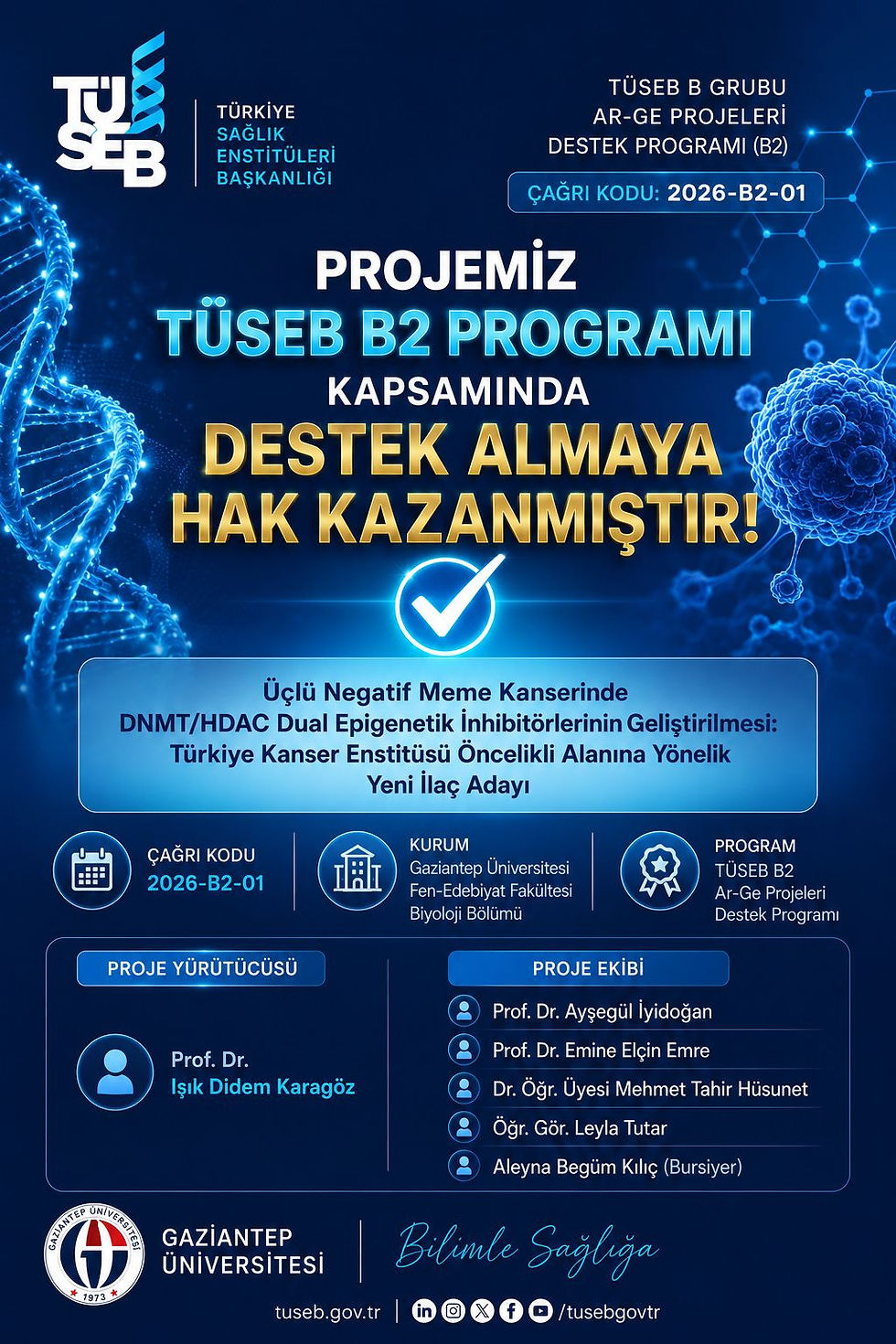
The project titled "Development of DNMT/HDAC Dual Epigenetic Inhibitors in Triple Negative Breast Cancer: A New Drug Candidate for the Priority Area of the Turkish Cancer Institute," led by Prof. Dr. Işık Didem Karagöz, has been awarded support under the TÜSEB Group B R&D Project Support Program (B2).
Triple negative breast cancer represents a significant health challenge where new and effective therapeutic approaches are urgently required due to limited treatment options. This project aims to develop innovative drug candidates targeting epigenetic mechanisms, thereby contributing to the scientific and technological capacity of our country.
While sharing my deep satisfaction regarding the funding of this project, I would like to extend my gratitude to our dedicated project team for their hard work, Gaziantep University for their support, and TÜSEB for their contributions to the advancement of scientific research.
With the hope that our scientific inquiries will continue to transform into innovative solutions for national health needs, I wish our entire team a highly productive and successful research process.
CANCER BIOLOGY • MOLECULAR BIOLOGY • CELL BIOLOGY • BIOINFORMATICS • BIOTECHNOLOGY• EPİGENETİCS•
Recent Papers
Time- and dose-dependent cytotoxicity of SBRT in HepG2 cells: insights intoradiosensitivity and recovery Q1
Antitumor Mechanisms of Olive Fruit Metabolites, Maslinic, and Oleanolic Acids on Lung Cancer Cells
Russian Journal of Bioorganic Chemistry
Multiplexed Detection of Cancer Protein Biomarkers via Surface‐Enhanced Raman Scattering Immunoassays on Natural Diatomite Strips Q2
ChemPhysChem
Evaluation of Philadelphia-Negative Myeloproliferative Neoplasms in Erbil, Iraq: Analysis of JAK2, CALR, and MPL Mutations
Immunopathologia Persa
MiR-21-5p Knockdown Inhibits Epithelial-to-Mesenchymal Transition in A549 Lung Adenocarcinoma Cells by Upregulating RhoB
Molecular Biology Reports
News and Lab Updates
Discover the latest updates regarding our ongoing research activities and laboratory events here.
Prof. Dr. Işık Didem Karagöz and Her Master’s Students Contribute to “Yaşam Bilimleri–2”
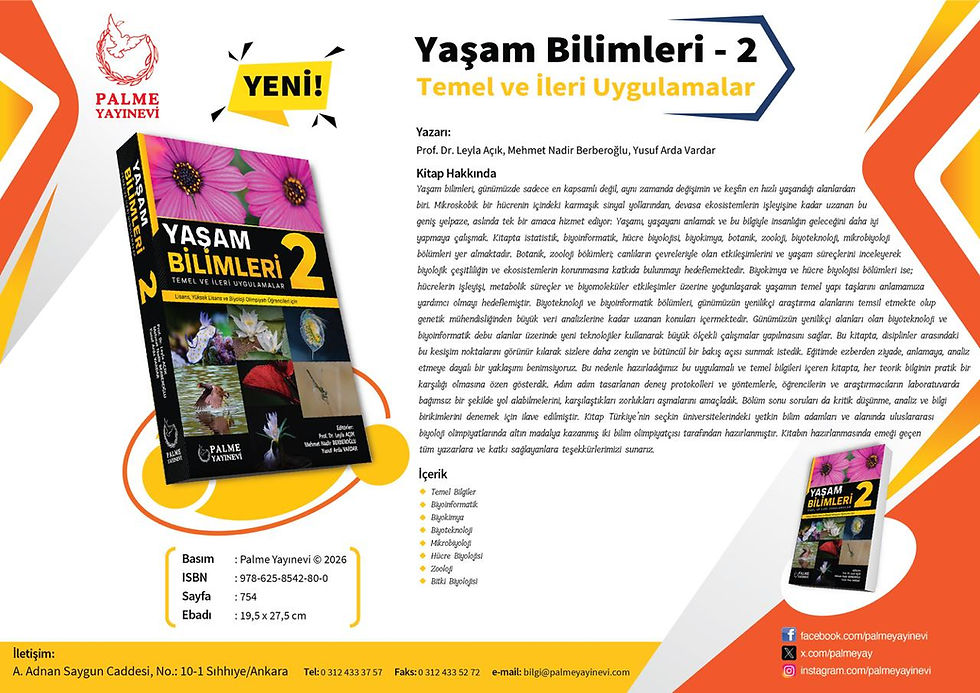
“Yaşam Bilimleri–2: Temel ve İleri Uygulamalar” (Life Sciences–2: Basic and Advanced Applications), featuring two chapters co-authored by Prof. Dr. Işık Didem Karagöz and her master’s students, has been published by Palme Publishing.
We congratulate Prof. Dr. Işık Didem Karagöz and her students on their contributions to this book, which covers various fields of life sciences, and wish them continued success in their academic work.
Breakfast Event with Collaborating Lab Teams


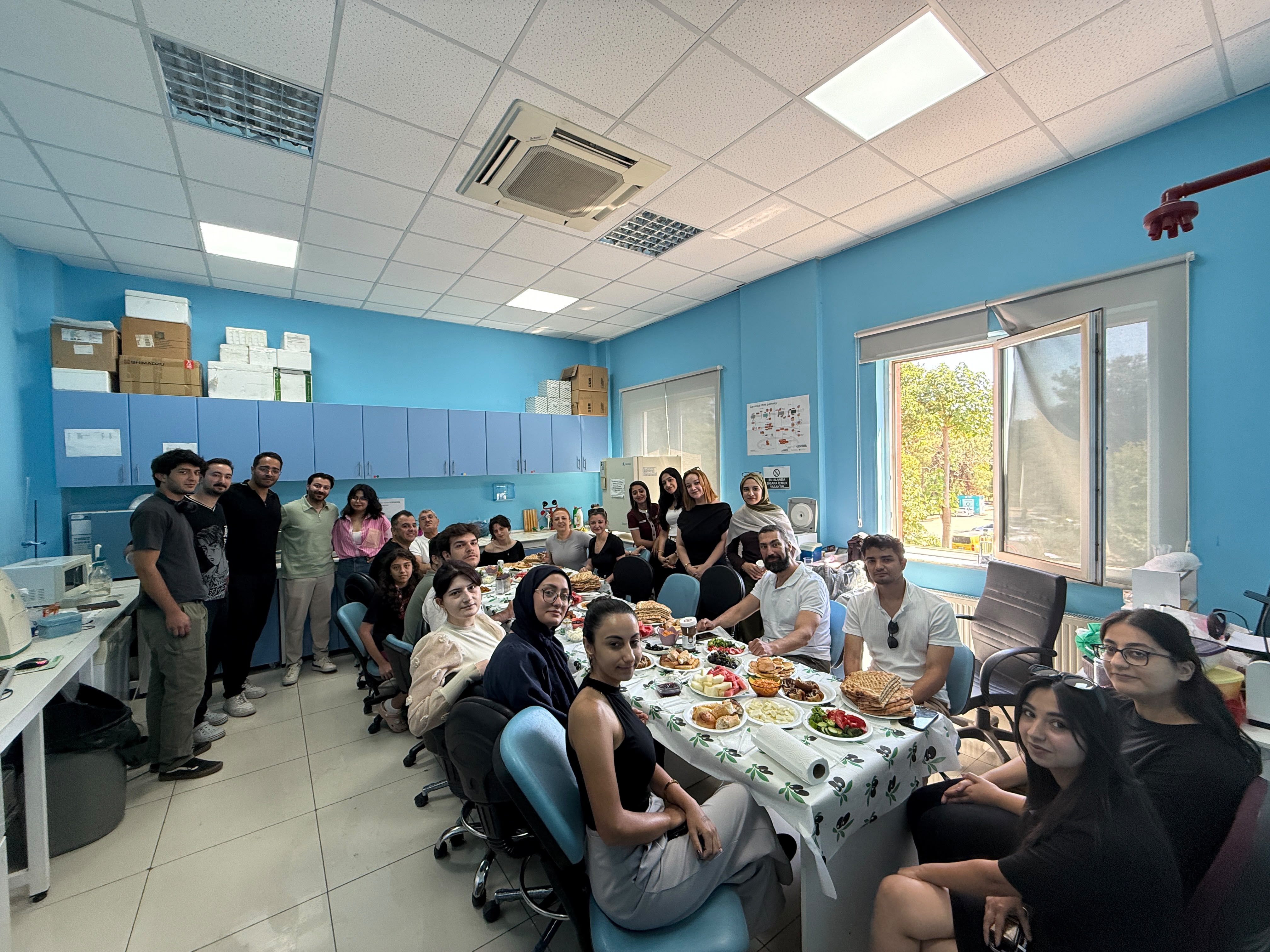
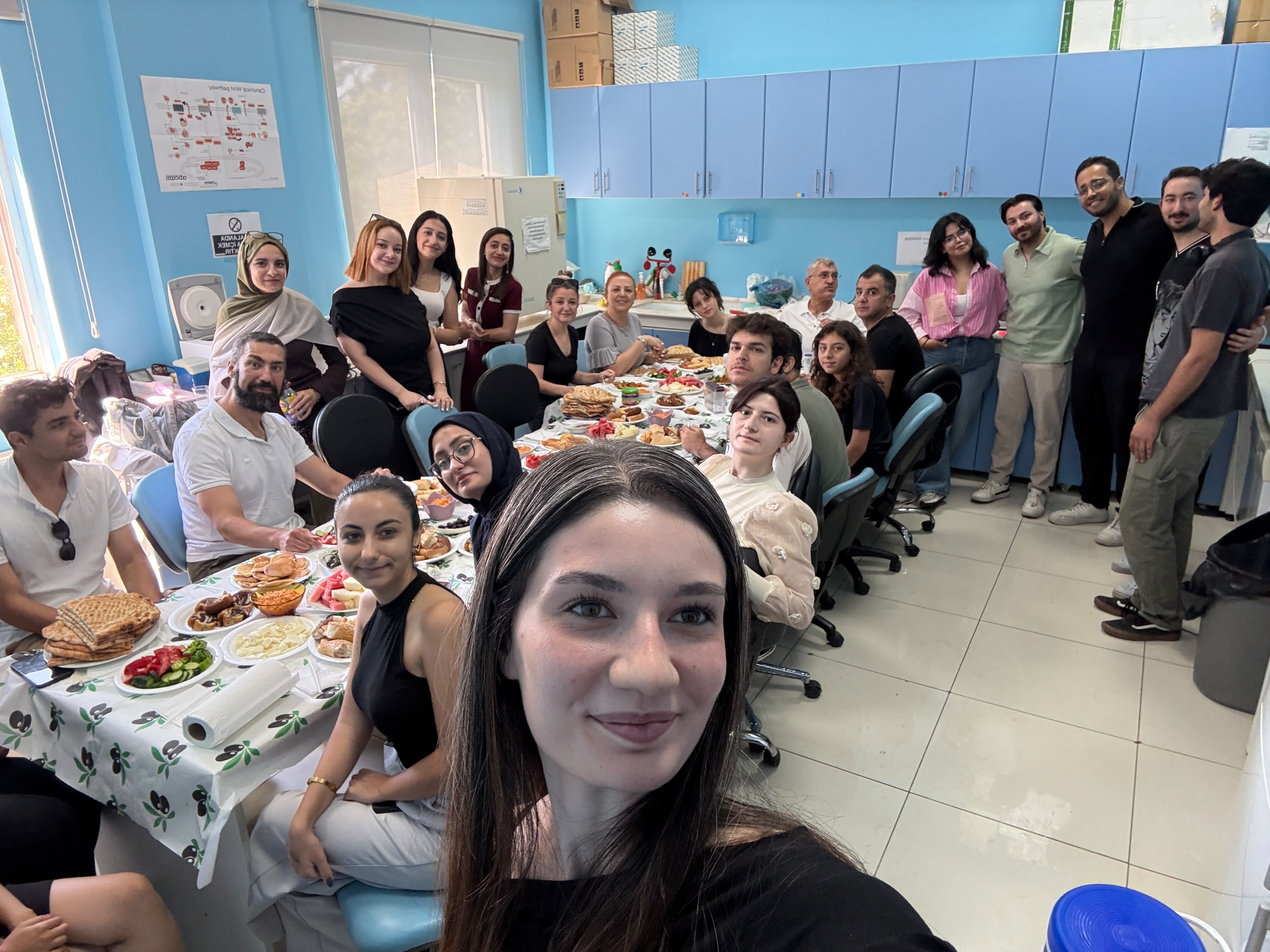
Prof. Dr. Halil İbrahim Kılıç’s lab team and interns, along with Prof. Dr. Işık Didem Karagöz’s lab team and interns, came together at a breakfast event. The event, which helped strengthen communication and academic solidarity between the teams, took place amid pleasant conversations.